SaaS
Hosted by us · EU or in-region
Edge gateways on site, platform in our cloud. The fastest route to a live pilot zone, and the easiest to fund from an operating budget.
- Pilot zone live in 6–8 weeks
- Monthly · per space
- EU or in-country residency
Most of your parking problem is drivers looking for parking. Live occupancy from the cameras you already own, booking and payment for drivers, digital enforcement for your officers.
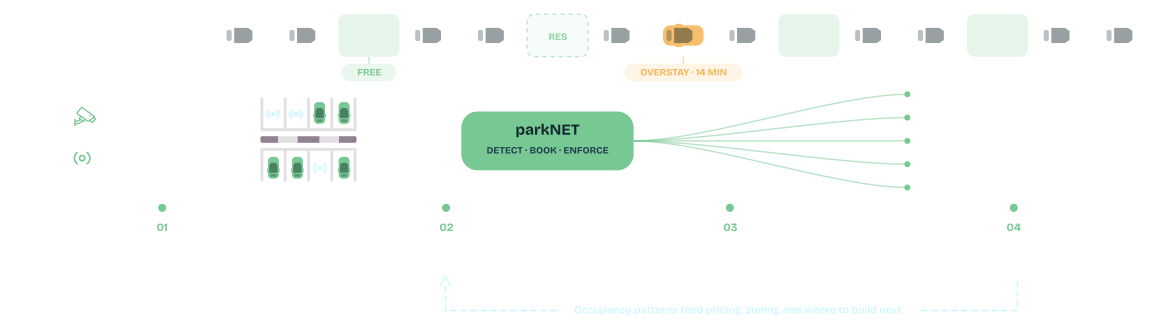
parkNET starts with the CCTV a city has usually already paid for. Cameras give you zone-level occupancy cheaply; ground sensors get added only where individual spaces have to be exact. Pilot zone live in 6–8 weeks.
We assess the existing cameras zone by zone — angle, coverage, resolution — and mark where a camera is enough and where a ground sensor is needed.
Edge AI reads each camera and sensor feed to classify every bay as free, occupied or reserved in real time — no video leaves the site, only the occupancy state.
Drivers see free spaces and reserve or pay from the app or on-street signage, with payment settling automatically per zone and hour.
Officers work from evidence-backed overstay and wrong-zone alerts instead of walking the beat, and occupancy patterns feed pricing and zoning decisions going forward.
Occupancy by zone for the operations desk, an enforcement queue where every fine already carries its evidence, and the driver's side of the same database. These are the screens the parking manager, the officer on shift and the driver actually work with.
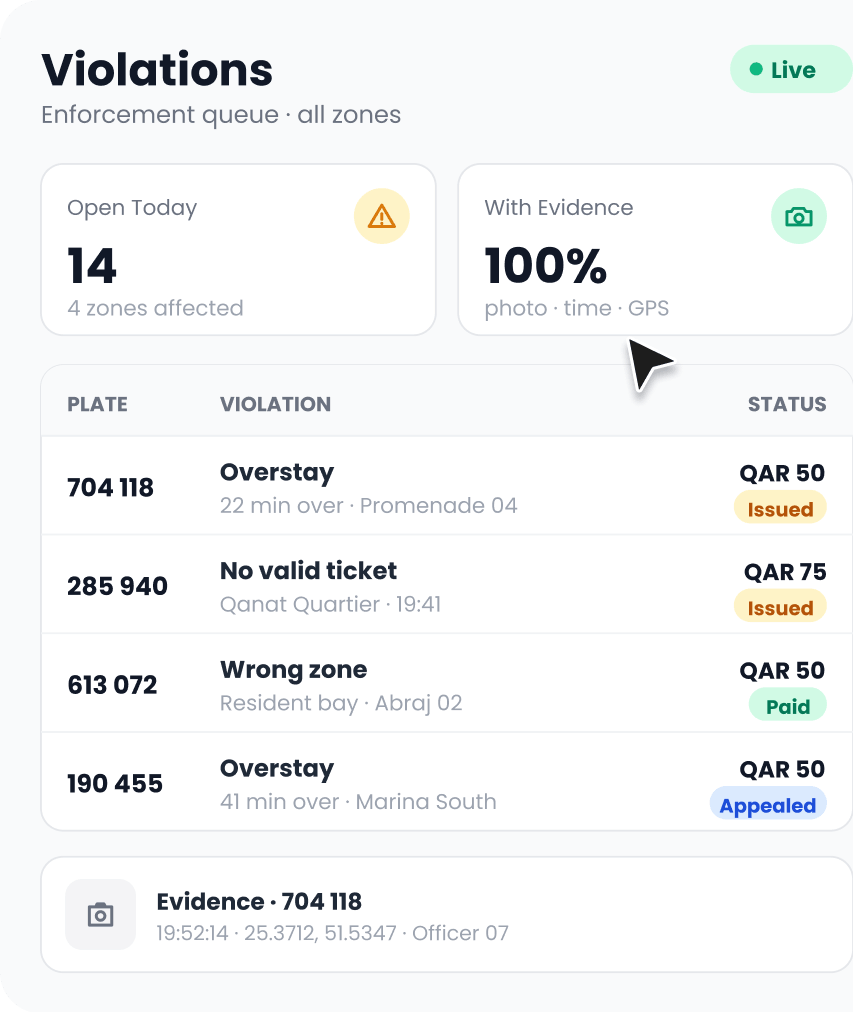
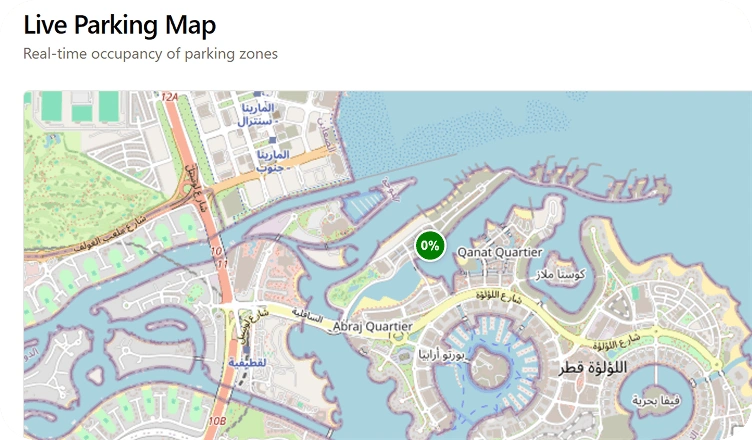
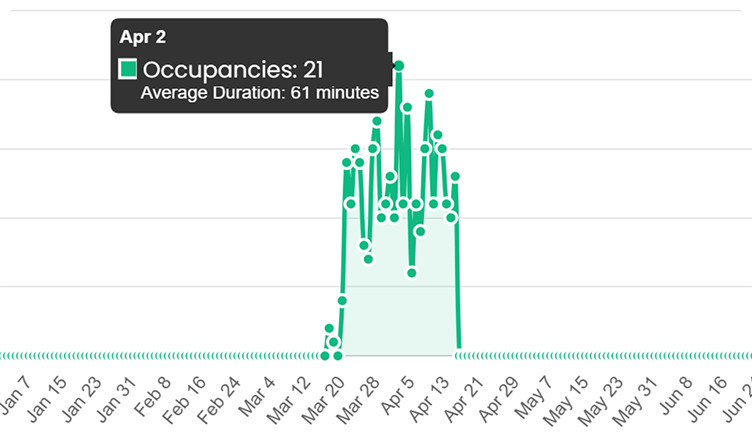
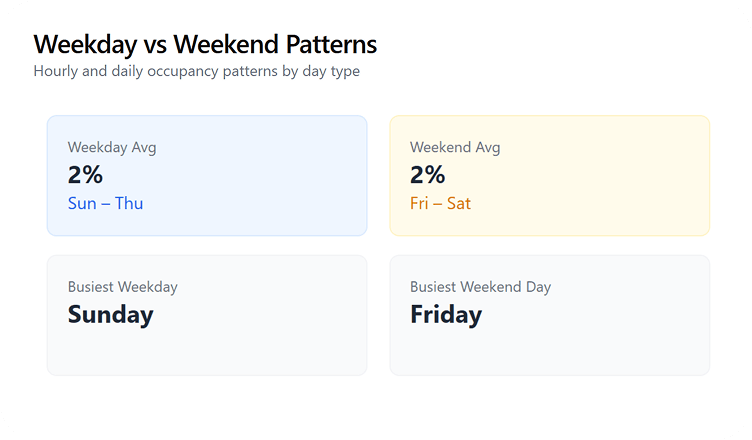
Captures from a running parkNET instance. Figures shown are from a demonstration tenant, not a live city.
The two questions that decide a parking procurement are whether it works with the existing camera estate and whether the money reconciles into the city's existing finance systems. parkNET is built to answer both with yes.
Which payment rails do you need? Payment is the most local part of any parking system — Konza runs on Kenyan rails including e-Citizen, Europe on card and local wallets. Tell us the market and we'll confirm what's integrated.
Parking site
Existing CCTV · ground sensors · LED signs
Edge gateway
Occupancy, vehicle type and flow detected on site
parkNET platform
Driver app · enforcer app · admin dashboard · payments
Your existing systems
Finance · ERP · BI · city data platform
The camera survey is the part that decides whether the numbers are any good. A pole that was mounted for surveillance is rarely mounted for counting bays.
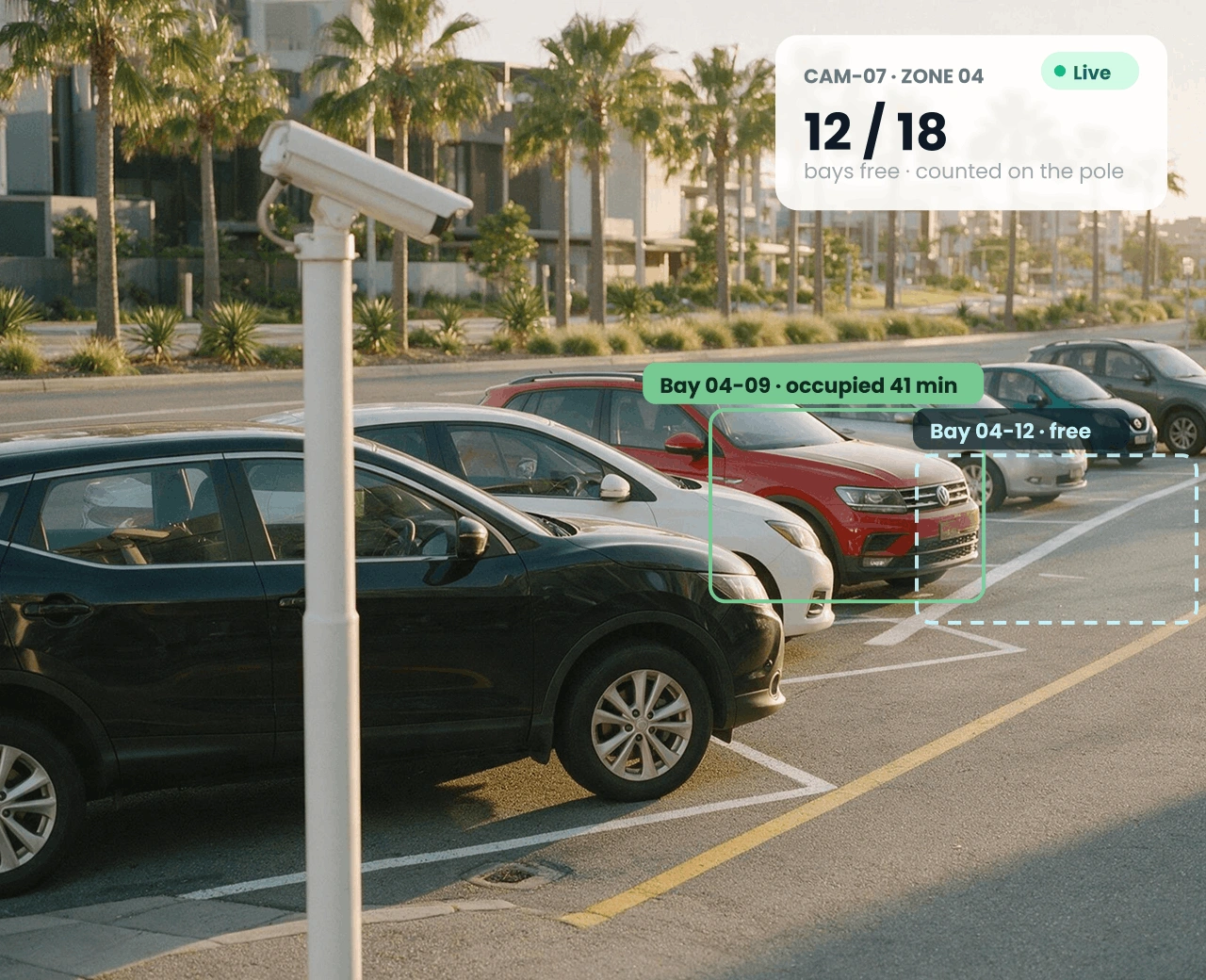
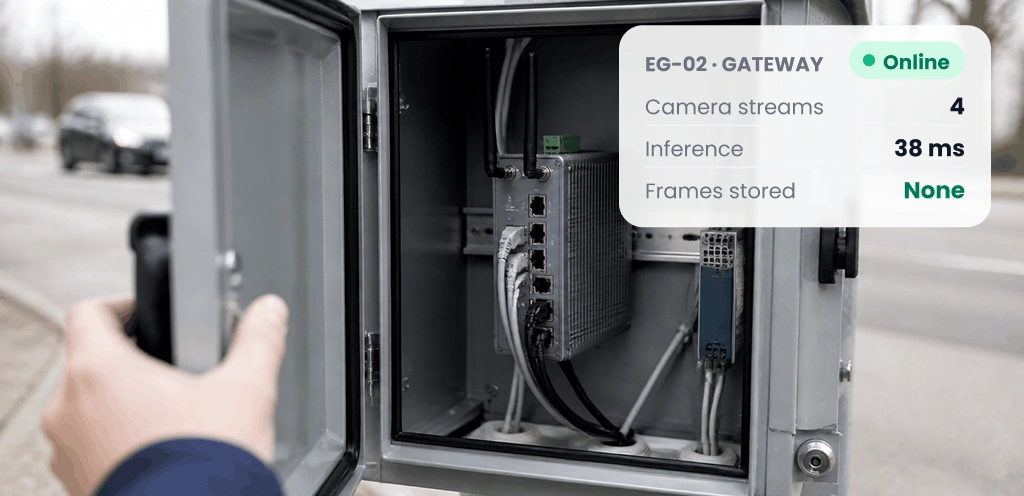
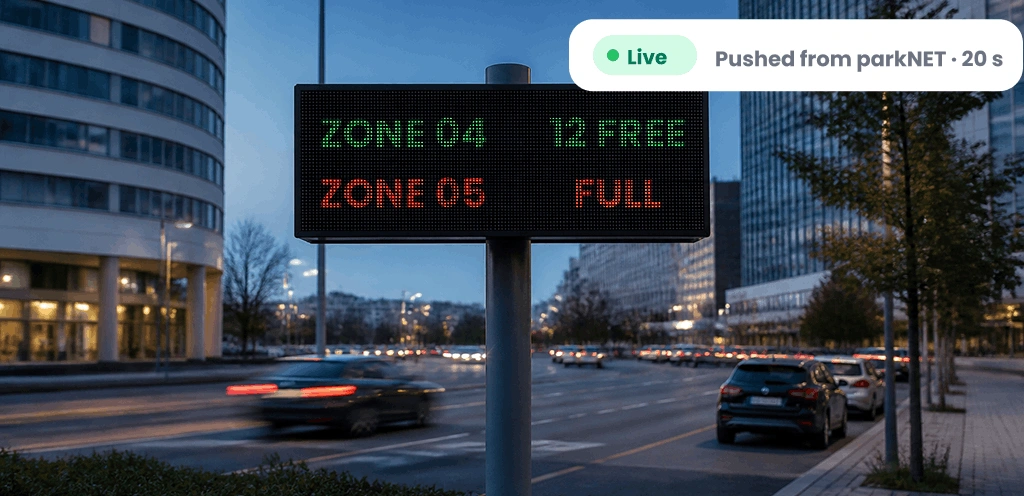
Edge gateways on site, platform in our cloud. The fastest route to a live pilot zone, and the easiest to fund from an operating budget.
Deployed in the authority's own Azure tenant, which is what most public-sector data rules end up requiring. Your residency, our operations team.
Fully on-premise for authorities whose rules keep citizen data in their own data centre. Custom integrations via the DunavNET Innovation Studio engagement model.
Konza Technopolis · Kenya · PoC delivered June 2025 with JASCO Communications
"The proof of concept validated real-time monitoring, digital payment and automated enforcement end to end — and told us precisely which infrastructure the production system needs."
Smart Parking PoC Report, June 2025
Konza Technopolis Development Authority · delivered with JASCO Communications Ltd
No, and for most zones you shouldn't. Cameras give you zone-level occupancy — how many spaces are free, where, and how that changes through the day — which is what drivers and planners actually need, and it uses infrastructure you have already paid for. Ground sensors are worth their cost only where individual bays must be exact: disabled bays, EV chargers, loading zones, premium reserved spaces. We tell you which is which during the camera survey, before you commit to hardware.
In most cases, yes. parkNET reads standard ONVIF/RTSP streams from existing CCTV and NVRs — the camera survey checks angle, coverage and resolution zone by zone and flags any pole that needs repositioning or replacing before you commit.
No. Detection runs on the edge gateway at the site — only occupancy, vehicle type and flow events leave, never raw video. Enforcement evidence photos are the one exception, captured and stored per your data retention rules.
Plate reads are tied to a violation record and its evidence chain — timestamp, GPS and officer ID — and retained under the same rules your enforcement process already follows. They're never used for anything beyond issuing and defending that fine.
The edge gateway keeps detecting and queuing events locally, then syncs to the platform once connectivity returns — a dropped link delays reporting, it does not lose occupancy or enforcement data.
Yes — payment is scoped per market. Card and mobile money cover most regions, and national e-payment gateways (Konza runs on Kenyan rails including e-Citizen) plug in where a city needs to reconcile against its own treasury systems.
Barriers and tickets only work at gated lots. parkNET covers on-street and open surface parking using cameras you already have, with no boom gates, no ticket machines, and enforcement that follows the vehicle instead of the exit lane.
By deployment model — SaaS is billed monthly per space, Managed Azure and on-premise engagements are scoped during the discovery call against your camera estate and procurement rules.