Mount & connect
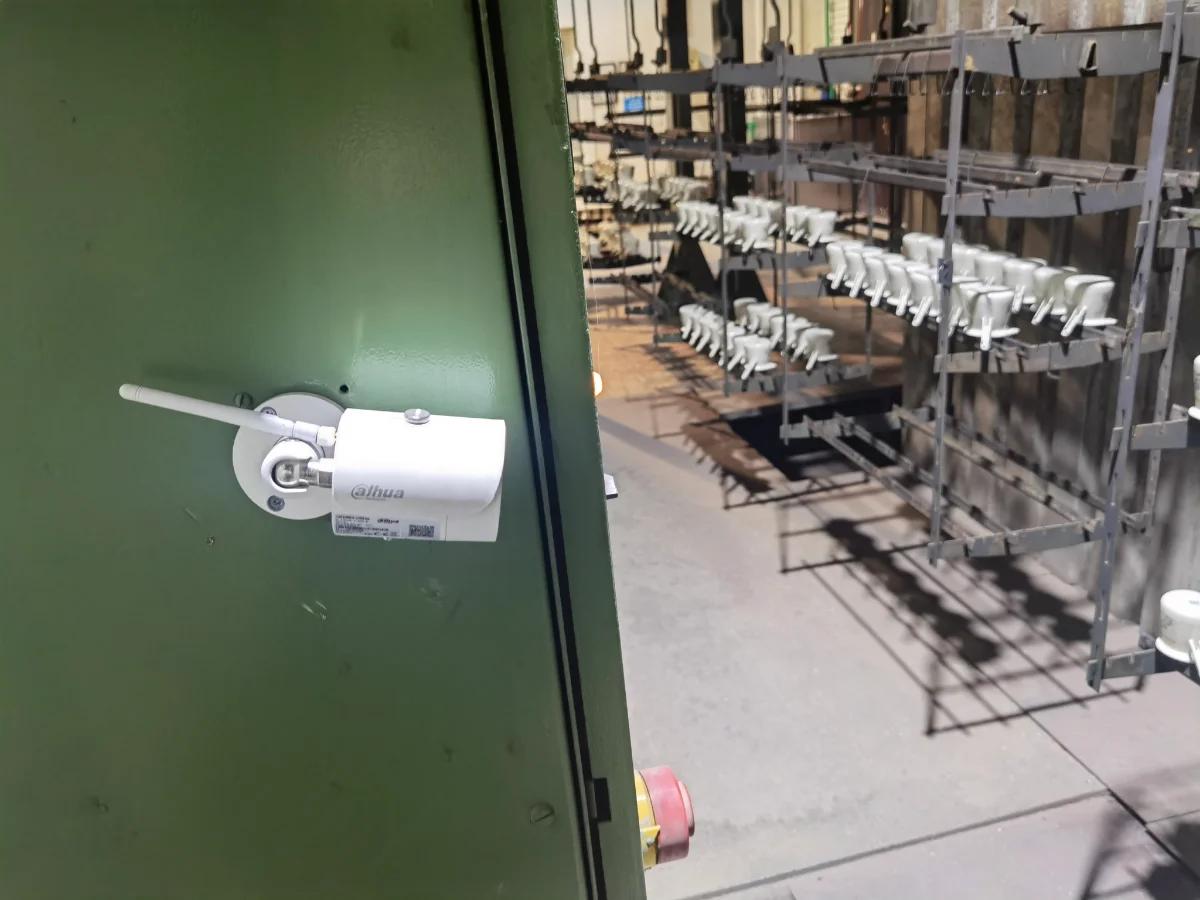
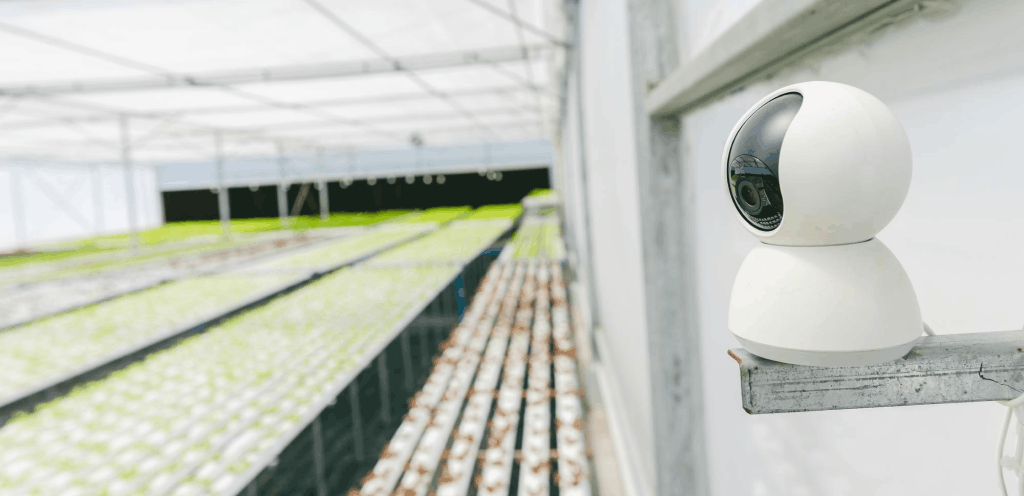
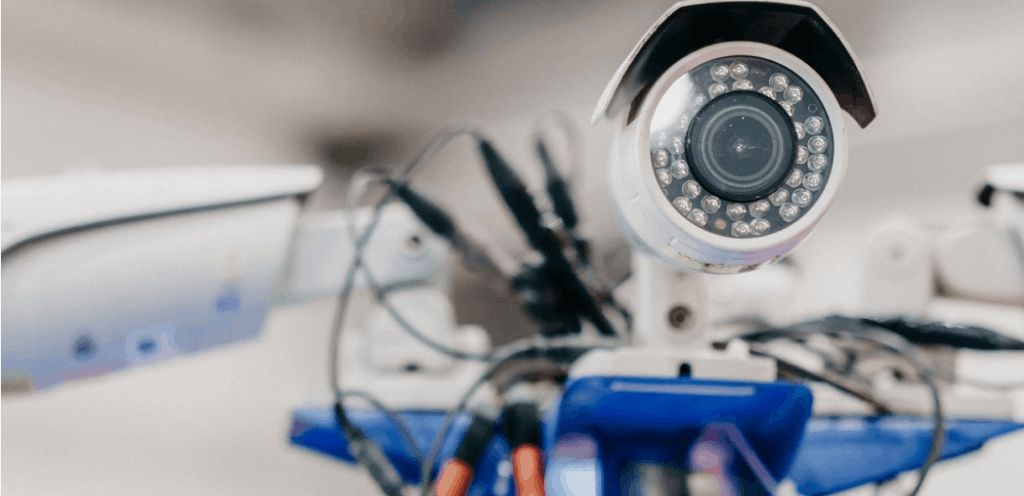
We use your existing IP cameras or install compact edge units over the stations that matter. Each unit needs only power and a network uplink for events — no video network, no storage servers.
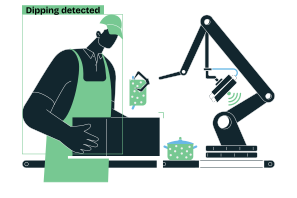
Your OEE data ends where manual work begins. OpsEye recognizes the physical activities performed on your line — and turns them into the KPIs of your process — without ever identifying a worker.
OpsEye turns standard cameras into activity sensors for your workstations. All processing happens on the edge device; frames are discarded in milliseconds. Only anonymous events — staffed, idle, active, dwell — reach your dashboards and MES.
We use your existing IP cameras or install compact edge units over the stations that matter. Each unit needs only power and a network uplink for events — no video network, no storage servers.
We sit with your process engineers to map the stations, the physical activities performed at each — picking, assembling, fastening, packing, inspecting — and the KPIs your operation runs on.
Activity-recognition models are adapted to your line — your process steps, not generic motion. Workers appear as anonymous silhouettes. The system knows "station 3: assembly step completed, 47-second cycle", never who performed it.
Recognized activities roll up into your KPIs: actual vs. standard cycle time, activity mix, micro-stoppage patterns, changeover duration — delivered to dashboard and MES via REST, MQTT, or OPC-UA.
OpsEye doesn't just detect motion — it recognizes the specific physical activities of your process and maps them to the KPIs you already manage by.
Models learn your process steps as performed at your stations — not generic motion classes.
Process steps — picking, assembling, fastening, packing, labelling, palletising, inspecting, tool handling, replenishment
Non-value activities — waiting, walking, searching, rework indications
Station states — staffed, idle, abandoned, in changeover
Recognized activities roll up into the KPIs you already manage by, in your terminology.
Cycle time per operation — actual vs. standard, full distribution — not just averages
Activity mix per station — value-adding vs. non-value time; where motion waste accumulates
Line balance & labour utilisation — per station, per shift, per takt
The things PLC and OEE data cannot see, because no machine stopped.
Micro-stoppages — short interruptions invisible to machine data
Changeover time — real duration, staffing and step sequence vs. planned — SMED-ready
Custom KPIs — defined with your process engineers; if it's observable, it's measurable
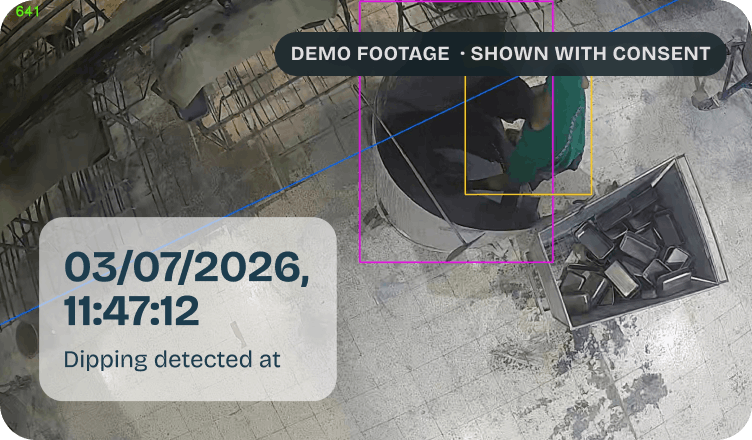
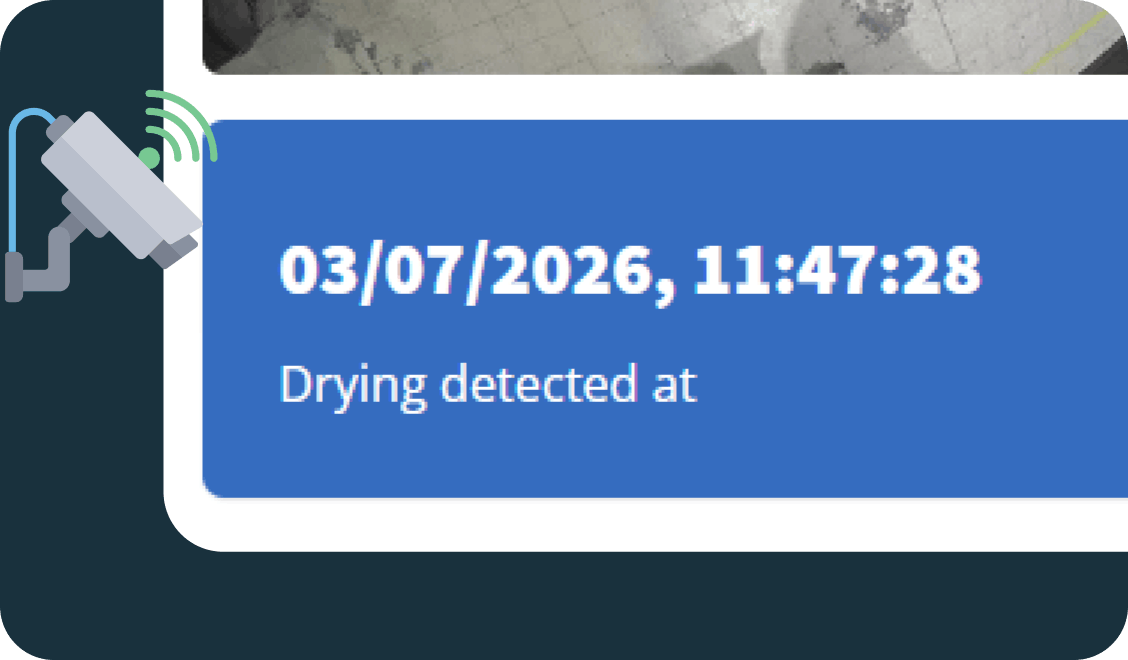
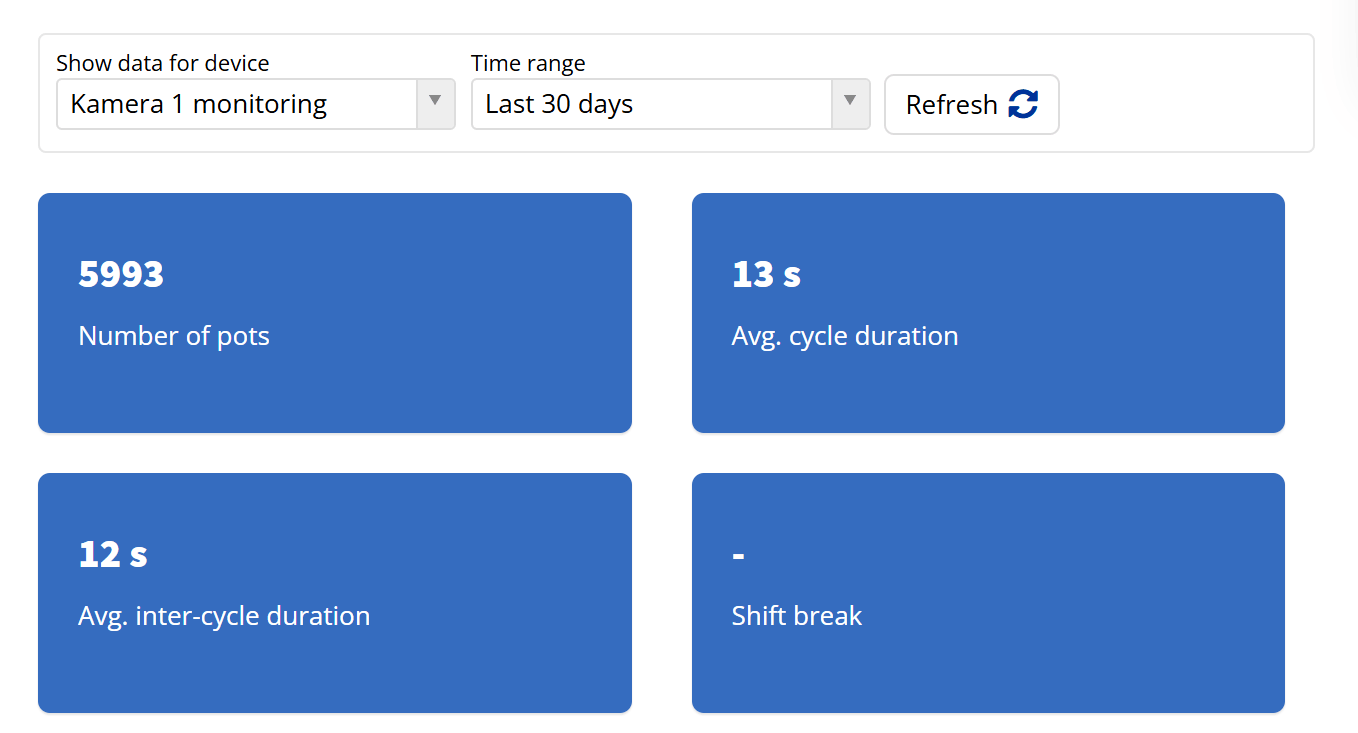
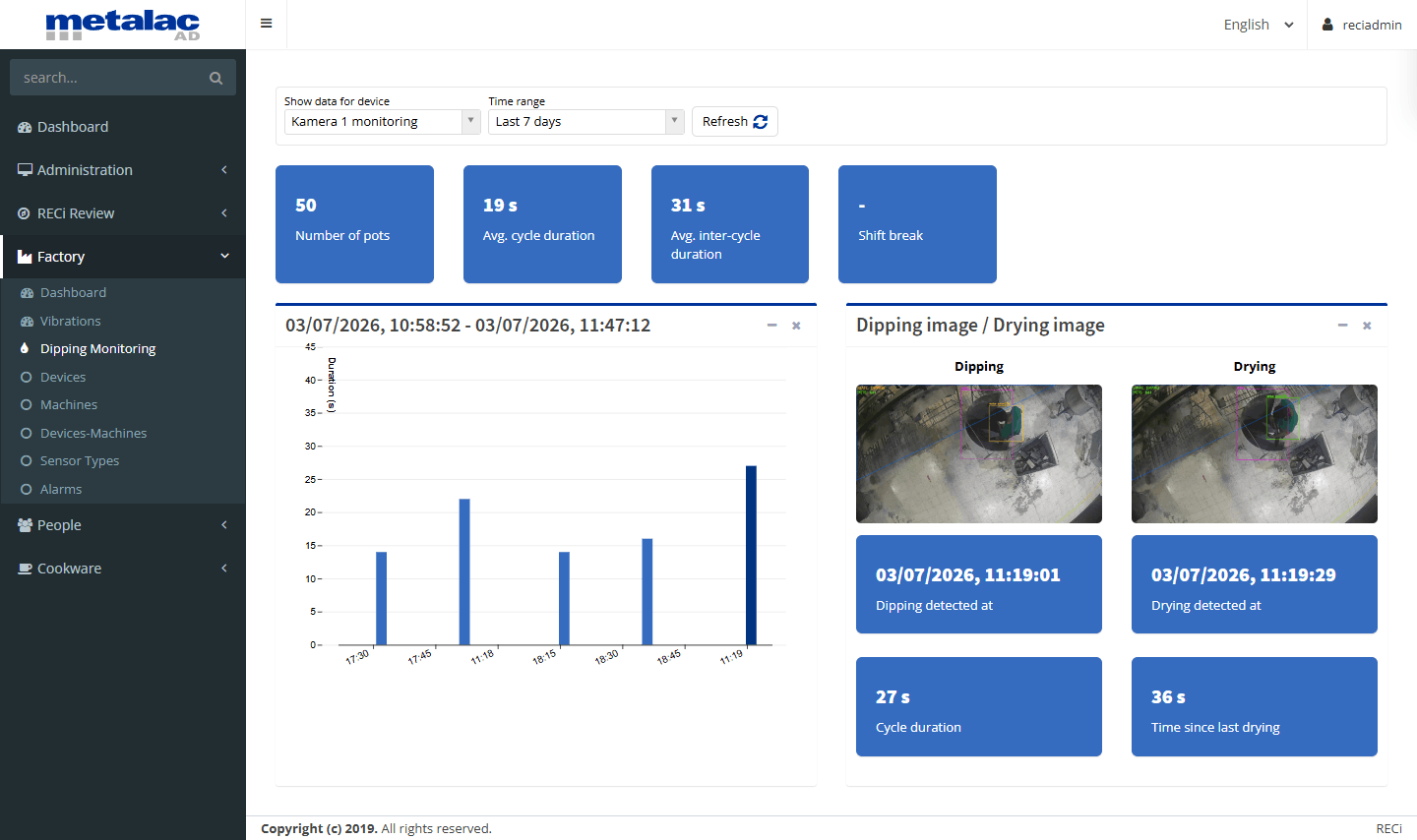
From the live line overview — station-by-station staffed, idle and active status — to the activity timelines and KPI boards your process engineers work with every shift.


All footage and photography in this section is demonstration material, recorded and published with the consent of the people shown. In live operation OpsEye records nothing - frames are analysed on-device and discarded within milliseconds.
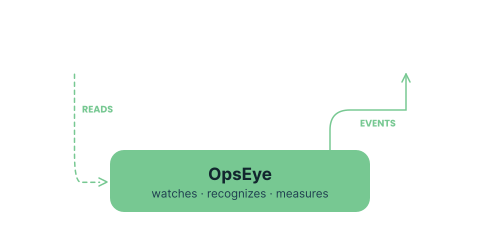
OpsEye outputs structured activity events — your MES, OEE, and BI tools consume them like any other sensor. Combine them with machine data from your PLCs — or from factoryNET — to see the whole line, not just the automated half.
Don't see your system? We've integrated with 30+ industrial systems across our deployments. Bring it up during the discovery call.
Plant floor
Manual stations · existing IP cameras
OpsEye edge
On-device inference · frames never stored
OpsEye cloud (optional)
Dashboards · reports · APIs
Your existing systems
MES · OEE · BI · Teams
Video cannot leave the edge device, because there is no pipeline for it to leave on. That single architectural fact settles most of the legal and works-council questions before they are asked.
The system knows “station 3: assembly step completed, 47-second cycle” — never who performed it.
No recording function exists; frames are processed in memory and discarded in milliseconds.
No facial recognition, no re-identification, no individual performance tracking — the system measures stations, not people.
The architecture is typically decisive for works-council and union approval; we provide full technical documentation for the consultation.
No biometric identification or categorisation; no personal data beyond the transient frame. We support your DPIA.
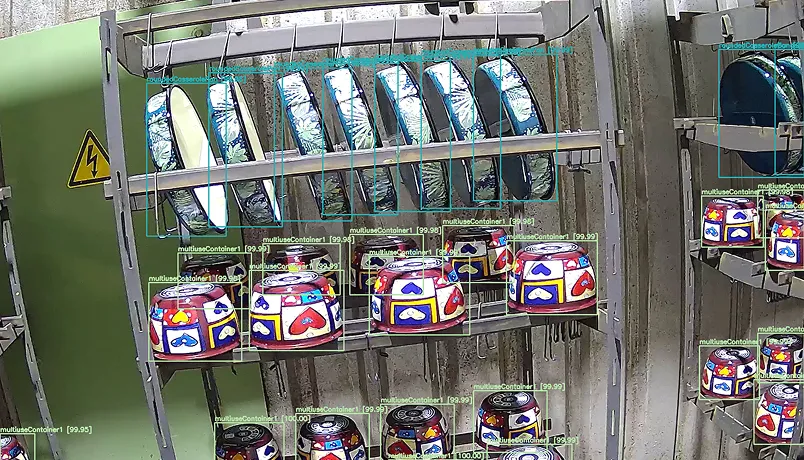
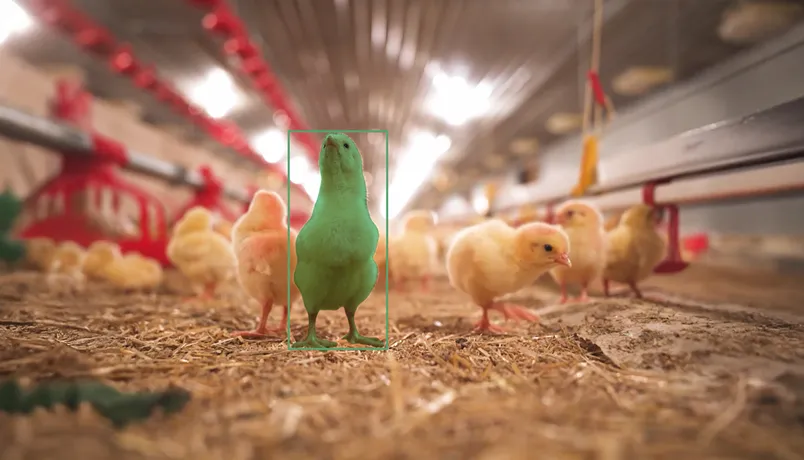
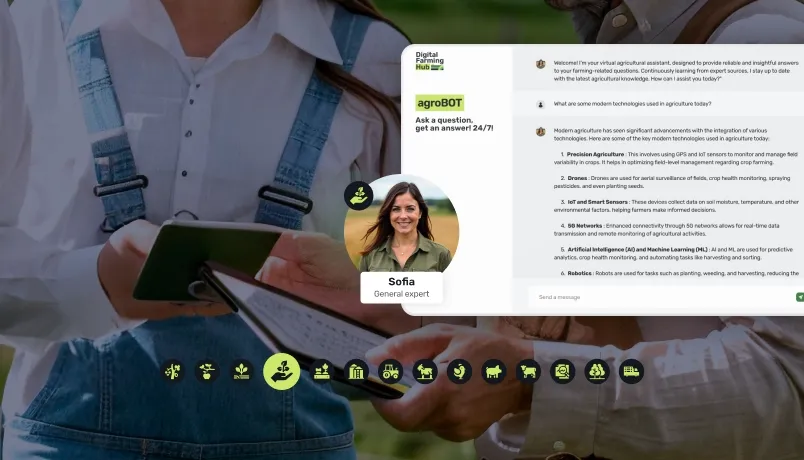
Real lines, real shifts — edge units above the stations, on-device processing in the line cabinet, and process mapping with your engineers. Illustrations stand in until deployment photos are ready.


Edge gateway on-site, dashboard in our EU cloud. Fastest start. Monthly billing. ISO 27001-controlled.
Deployed inside your Azure tenant. Your data residency, your compliance posture, our 24/7 operations team.
Fully on-premise. Custom integrations. Optional via the DunavNET Innovation Studio engagement model.
No — and by design it cannot become that. OpsEye has no facial recognition and no identity persistence; it measures whether stations are staffed and active, never who is working. Most customers involve the works council early, and we provide the technical documentation for that consultation.
OpsEye is not CCTV: it records no footage and identifies no one, so the transient frames never become personal data. Signage and notification requirements still vary by jurisdiction and site agreement, so we help you assess what applies and provide the documentation for it.
No. OpsEye works with your existing IP cameras wherever coverage is adequate, or we install compact edge units over the stations that matter. Each unit needs only power and a network uplink — no dedicated video network or storage servers.
factoryNET reads machine and process data from your PLCs and controllers over OPC-UA and MQTT. OpsEye measures the manual activities that machine data cannot see. They are complementary — run OpsEye alongside factoryNET to see the whole line, not just the automated half.
During onboarding we map your stations and the physical activities performed at each, then adapt the activity-recognition models to your process steps — not generic motion classes. The system learns your line as it actually runs.
Yes. Recognized activities roll up into the KPIs you already manage by — cycle time vs. standard, activity mix, line balance, changeover duration — configured with your process engineers and expressed in your terminology. If it is observable, it is measurable.
Accuracy depends on camera placement, lighting and how distinct your process steps are, so we validate against your line during onboarding and share the results before you commit. We scope realistic targets per station on the discovery call.
Pricing depends on the number of stations, the deployment model, and the integrations you need. We work out the right configuration and rough pricing with you in one 30-minute call.